
From earthmoving machines to vertical‑axis wind innovations
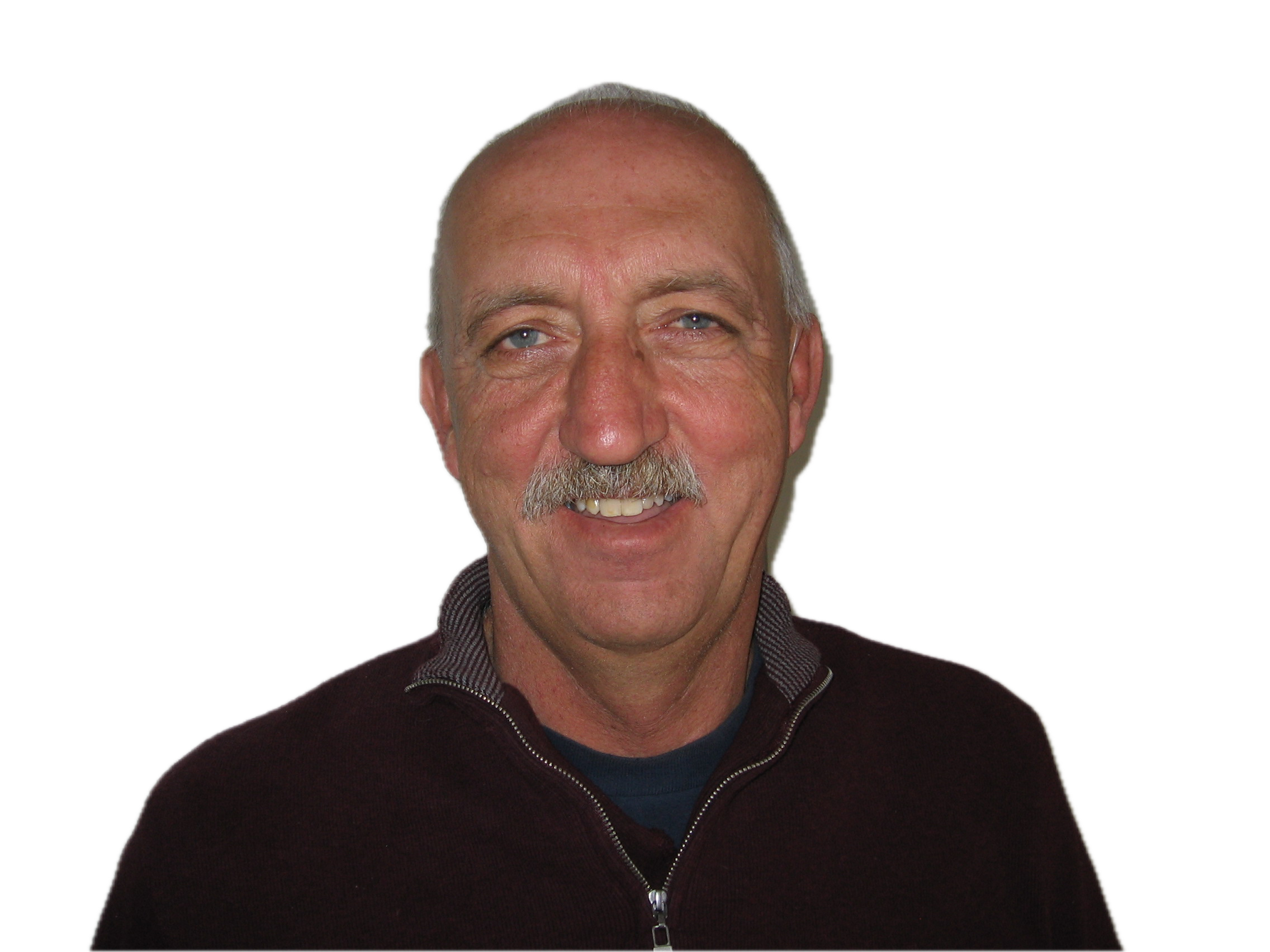
Lux Wind Power was founded by Glen Lux, a mechanical engineer and long‑time entrepreneur with decades of hands‑on experience in heavy equipment and vertical‑axis wind turbines (VAWTs).
For over 30 years, Glen owned and operated an earthmoving company, using his mechanical engineering degree to design and modify components and attachments for demanding real‑world conditions. That combination of field experience and engineering analysis strongly influenced how he approaches structural design today.
Later, he turned his attention to vertical‑axis wind turbines and never looked back.
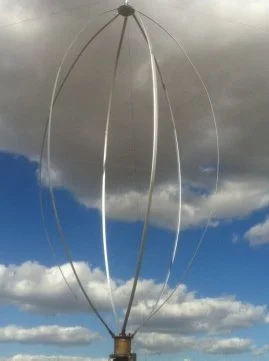
He has designed and built over 50 VAWTs, from small prototypes to grid‑connected machines.
One of his designs won first place in the “Create the Future” design contest — a global annual engineering innovation competition co‑sponsored by Tech Briefs, a magazine featuring NASA Tech Briefs.
One turbine he built and installed has been operating for more than five years, delivering electricity into the grid.
This deep, practical experience with VAWTs and structures directly led to the development of:
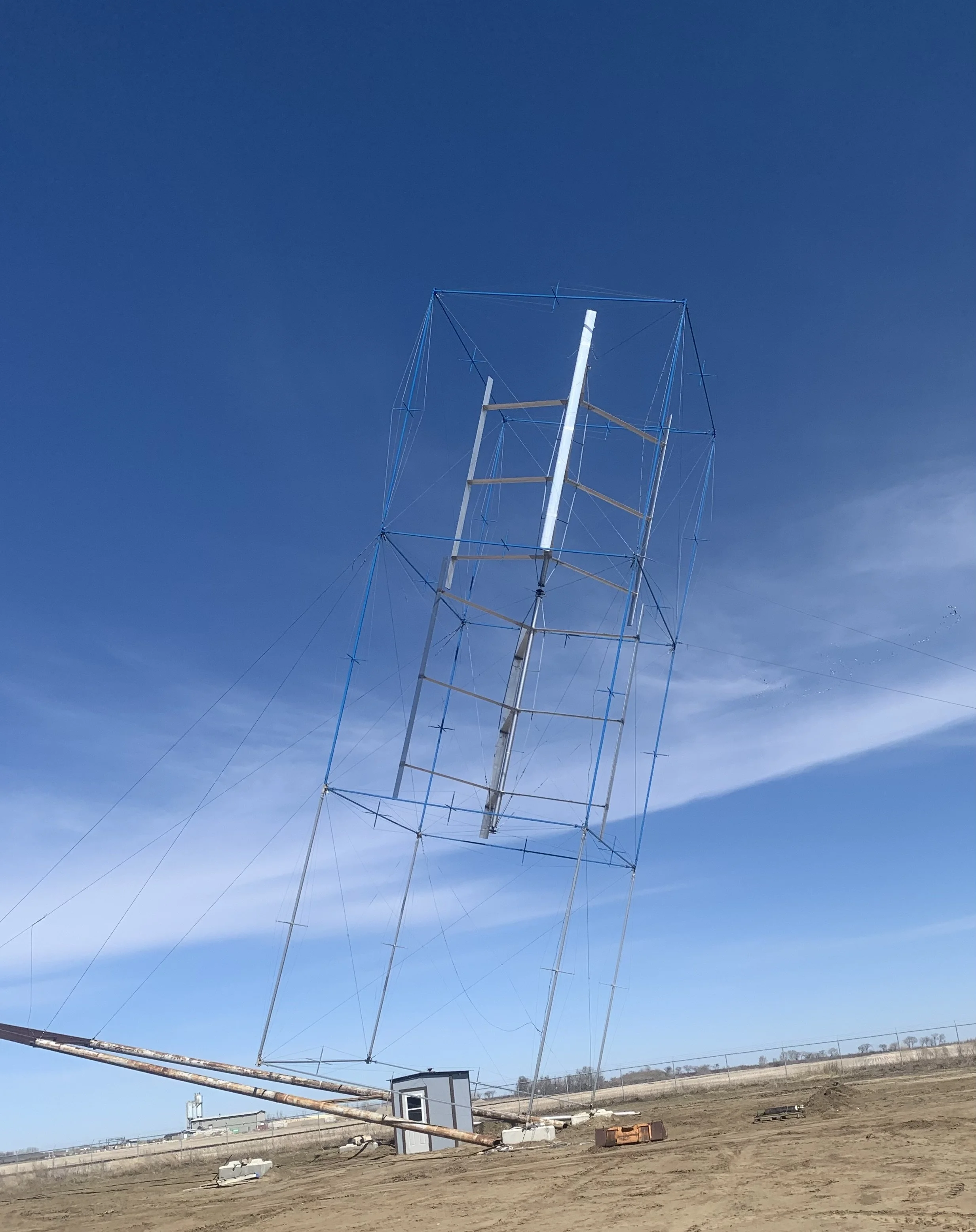
The cube‑framed, stackable H‑type VAWT module
The Prestressed Truss Beam (PTB) concept
The 80 MW floating V‑array architecture
Lux Wind Power is intentionally small by design: Glen works alone, focusing on inventing and refining concepts and then licensing the IP to organizations with the resources to industrialize and commercialize them.
A technology licensor, not a manufacturer
Lux Wind Power:
Is:
A source of new structural concepts and architectures for vertical‑axis wind and floating platforms.
A holder of patent‑pending IP for cube‑framed VAWTs, Prestressed Truss Beams, and an 80 MW floating V‑array.
A partner for early‑stage conceptual development and transfer of know‑how.
Is not:
A turbine manufacturer.
A project developer or EPC contractor.
A company that intends to build, own, or operate wind farms.
The intent is straightforward:
Make the structural ideas available through licensing to established turbine OEMs and offshore engineering companies, and let them take the concepts all the way through detailed design, certification, and commercialization.
Stage of development
At this time:
The cube‑framed, stackable VAWT module has been built and tested at prototype scale, including a three‑frame land‑based configuration (two turbines stacked plus a lower frame).
The Prestressed Truss Beam has been analyzed and demonstrated to significantly increase compressive capacity relative to classical buckling limits, with only modest added weight.
The 80 MW floating V‑array and associated mooring / pivot concept have been developed at a conceptual and analytical level, ready for further refinement.
Lux Wind Power is now seeking serious discussions with established manufacturers and engineering firms who are interested in taking these concepts to the next stage.